Dining Etiquette Series -The Hostess Gift

It’s not the gift, but the thought that counts.
 ~ Henry Van Dyke, American Author & Poet (1852-1933)

Bringing a gift to the host or hostess when you are invited to dinner -- from a formal affair to a casual pot-luck and everything in between -- is a time-honored custom intended to show a guest’s appreciation to the hostess for the invitation. Although this type of gift is called a “hostess gift,” it’s obviously intended for both genders. A hostess gift can be generic, such as a bottle of wine or candy, or tailored to the taste and personality of the host. But, be sure to consider any allergies, preferences, religious beliefs or ethnic customs. 

Dining Etiquette Series – Responsibilities of a Guest

Did you ever have the feeling that you wanted to go,
and still have the feeling that you wanted to stay?"
 ~ Banjo, from The Man Who Came to Dinner

Banjo is a character from the classic play about an insufferable guest named Sheridan Whiteside, who reluctantly accepts a dinner invitation and then because of a freak accident not only overstays his visit but behaves badly the entire time. So, to entertain Banjo’s question, perhaps there have been times when, as a guest, you’ve been ambivalent about whether you wanted to stay or go. However, as you know that the foundation of good manners is to put others ahead of yourself, I’m betting that you did not behave as Sherry Whiteside did. Because whether at a formal affair or a beach party, a guest has certain responsibilities that mirror those of the host (see last week’s post, Responsibilities of a Host), as follows: 

Dining Etiquette Series – Responsibilities of a Host


A host is like a general: calamities often reveal his genius.
~ Horace, Roman lyric poet, satirist, and critic, 65 – 8 B.C.

Now that autumn has arrived and the busy fall entertaining season begins, I’m returning to topics of dining etiquette. As a student, your future very likely will include formal entertaining and hosting for both personal and business occasions. As Horace observed millennia ago, planning and implementing a dinner or luncheon party can be fraught with opportunities for mishaps, often referred to as Murphy’s Law

Dining Etiquette Series – Please Pass The Salt

Coming together is a beginning; keeping together is progress; working
 together is success. ~ Henry Ford, Founder of the Ford Motor Company

The famous American industrialist probably didn’t have salt and pepper in mind when he uttered these words. But they apply to this week’s topic. When part of the dining table -- whether at a casual business breakfast or a formal dinner party -- the salt and pepper shakers are placed on the table together, kept together when being passed and work together when both are used to season food. 

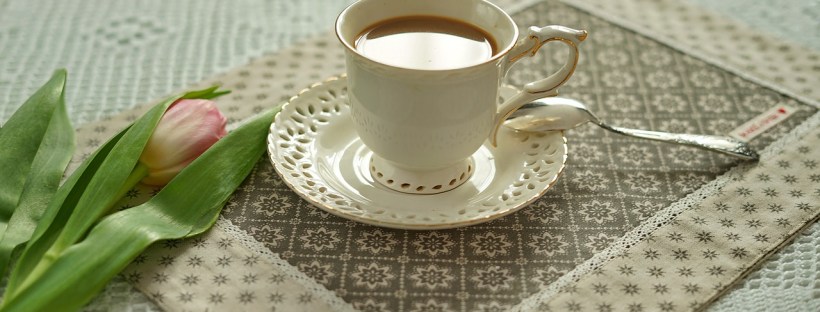
Dining Etiquette Series – The Complexities of Serving Coffee

Ah! How sweet coffee tastes!
Lovelier than a thousand kisses,
 sweeter far than muscatel wine!
 ~ Lieschen, Coffee Cantata by Johan Sebastian Bach

In the early 18th Century in Leipzig, Germany, coffee was a controversial commodity. Some years later, Bach composed Coffee Cantata about the coffee “brew”- ha-ha, which features the clash of a father and daughter over her love of the seductive beverage. (Here is the English translation.)

Today, we have some controversies of our own about coffee, or at least variations in the way we serve it in formal or semi-formal social and business luncheons and dinners.

Dining Etiquette Series – Dessert, At Last!

Life is uncertain.  Eat dessert first.
~
Ernestine Ulmer, 1892-1987

No doubt many people will agree with this famous quote. But, in the formal multi-course dinner, dessert is the last course, at least in the U.S. In European, and European-influenced, countries you might find that the dessert course is followed by a fruit course to finish the dinner with a refreshing palate cleanser, and then followed by coffee and a sweet (more about the “coffee course” next week). But, in most cases, dessert will be the sweet finale to a luncheon or dinner. 

Dining Etiquette Series – Fruit & Cheese Course

"Digestive cheese, and fruit there sure will bee...”
~
Inviting a Friend to Supper
by Ben Jonson

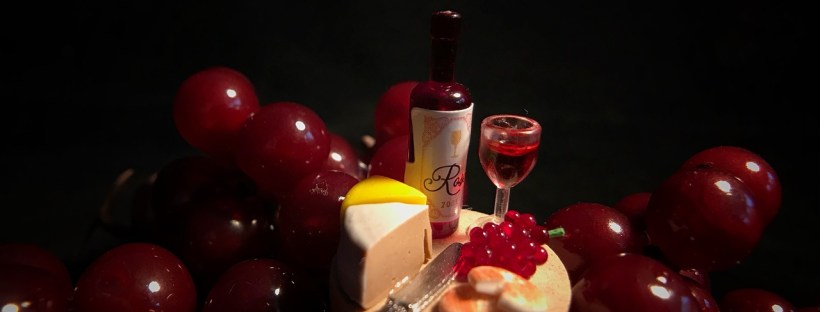
The course that follows the main course, which I talked about in last week’s entry, sometimes consists of fruit and cheese. However, this custom varies among chefs, event planners, hosts, restaurants and countries. In some cases, the cheese might stand alone! For example, as cheese is a digestive, it might follow the main course, followed by the dessert course, which might be followed by a small serving of fresh fruit to end with something refreshing and palate cleansing. This custom, however, is rare in the U.S., where a formal meal is likely to end with dessert. 

Dining Etiquette Series – The Main Course

Go vegetable heavy. Reverse the psychology of your plate by making meat the side dish and vegetables the main course. ~ Bobby Flay

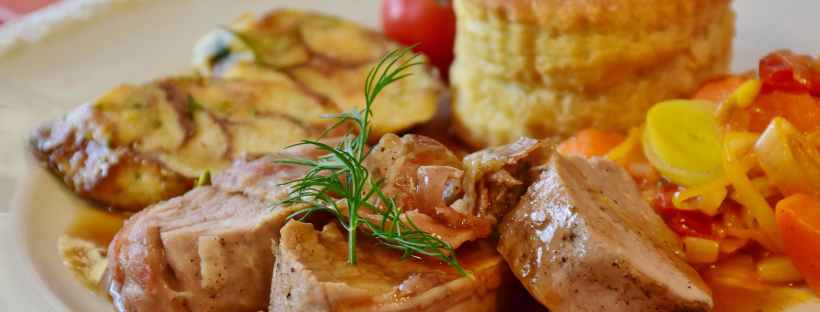
Mr. Flay might have the right idea. Scientists say that by 2050 we'll all be vegetarians due to an additional two billion people crowding the planet. With less land and water to accommodate livestock, we’ll be turning to vegetables instead. And, as this will be a gradual trend toward plant food, we should be thinking now about either practicing zero population growth, a concept that took root in the late 1960s, or coming up with creative and diverse ways to prepare vegetables for both family and formal dining.

Dining Etiquette Series – Amuse-Bouche


"Hannibal, confess; what is this divine looking amuse-bouche?"

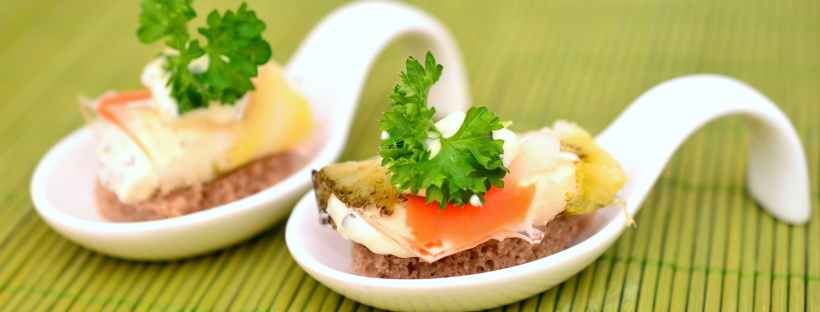
With recent references to amuse-bouche being linked to Dr. Hannibal Lecter – first with the quote above from the 2002 movie, The Red Dragon, starring Anthony Hopkins, and then as the title of Episode 2 in Hannibal, the creepy new TV series that debuted in April on NBC – one could get the wrong idea about this little delight.  But don’t worry; the amuse-bouche pictured above supposedly is all fruit and fish!